

 Dimitri Burkhard
For foreign residents planning to stay in Switzerland long term, the difference between a temporary residence permit and a permanent one is not just administrative. It affects job security, mobility, family planning, and future options such as self-employment or citizenship.
One of the most important milestones in that journey is the transition from a Swiss residence permit B to a Swiss residence permit C. While both permits allow you to live legally in Switzerland, they are fundamentally different in scope and stability.
This guide explains how the move from B to C works in 2026, what authorities actually look for, and where applicants most often misjudge the process.

Key Takeaways
At a glance, here are the most important facts about upgrading from a Swiss permit B to a permit C in 2026:
Purpose: The Swiss permit C is a permanent residence permit that removes most employment and mobility restrictions for foreign residents.
Eligibility: EU and EFTA citizens can usually apply after five years of continuous residence. Non-EU nationals generally qualify after ten years, with possible fast-track options for well-integrated residents.
Integration requirements: Authorities assess language skills, financial independence, legal compliance, and participation in Swiss society. Everyday communication matters more than formal perfection.
Application process: Submit your application through the cantonal migration office, provide supporting documents, and attend interviews if required. Processing times vary by canton.
Rights and benefits: Permit C holders may change employers freely, move between cantons, access self-employment more easily, and enjoy greater protection against permit revocation.
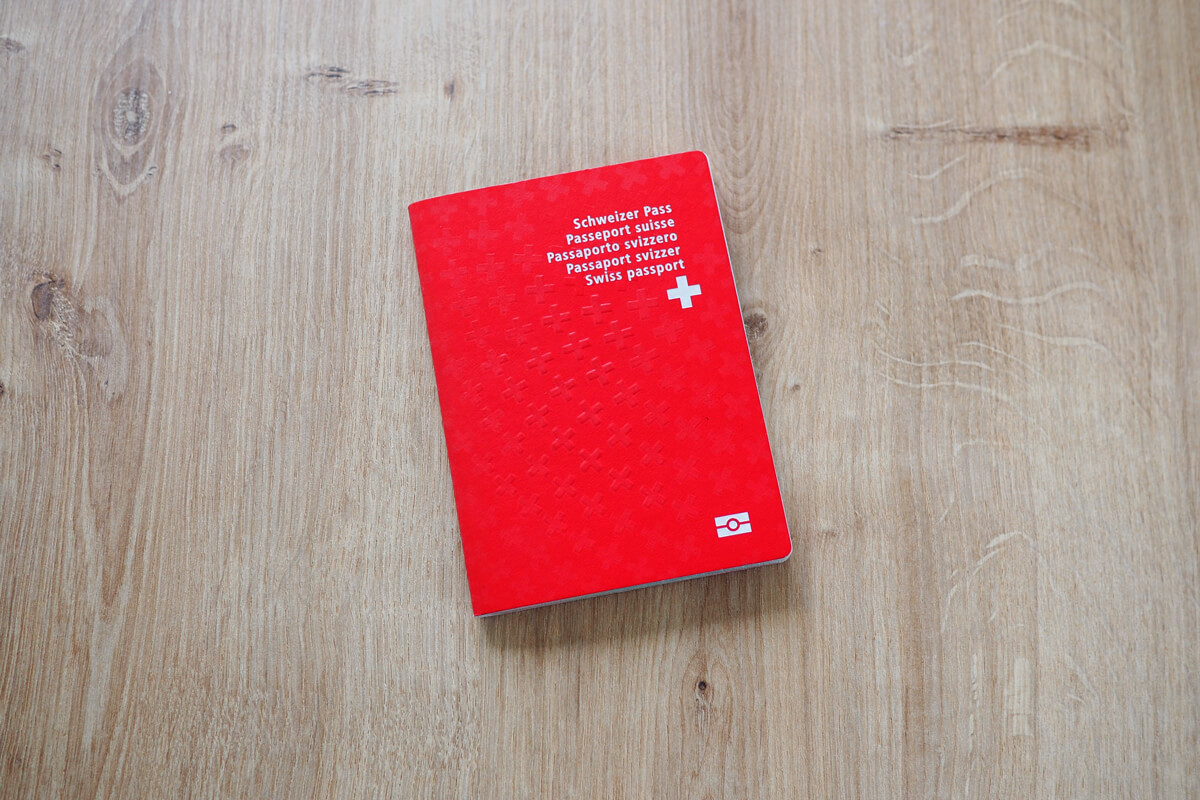
Next steps: For many residents, the permit C is the final goal. For others, it is the required foundation for a Swiss citizenship interview and, eventually, a Swiss passport.
Permit B vs. Permit C: What Actually Changes
The Swiss B permit is a temporary residence permit. It is commonly issued for employment, family reunification, or long-term residence and must be renewed periodically. Depending on nationality, it may be valid for one year or five years, but it always comes with conditions.
The Swiss C permit, by contrast, is a permanent settlement permit. It does not expire and removes many of the restrictions that apply to B permit holders.
In practical terms, upgrading from B to C usually means:
- No more regular permit renewals
- Free choice of employer
- Freedom to move between cantons without approval
- Easier access to self-employment
- Stronger protection against expulsion
While C permit holders still cannot vote or hold a Swiss passport, their legal position is very close to that of Swiss citizens in everyday life.
If you want a detailed, personal account of how this transition feels in practice, see our in-depth guide.
Legal Basis for Upgrading from B to C
The transition from a B permit to a C permit is governed by the Foreign Nationals and Integration Act (AIG), specifically Article 34. Federal law defines who may apply, while cantons retain some discretion in how integration is assessed.
At its core, the law focuses on three pillars:
- Sufficient lawful residence duration
- Demonstrated integration
- Financial independence
For official legal definitions and federal guidance, Swiss work permits are explained by the State Secretariat for Migration (SEM).

Residence Duration and Nationality Rules
How long you must live in Switzerland before applying depends largely on your nationality.
- EU/EFTA citizens: usually eligible after 5 years of continuous residence
- Non-EU nationals: usually eligible after 10 years
- Citizens of certain countries (including the US and Canada): may also qualify after 5 years under bilateral agreements
What often surprises applicants is that not all years automatically count. Residence must be continuous and lawful, and long or repeated stays abroad can interrupt the qualifying period. In some cases, authorities may restart the clock if Switzerland no longer appears to be the applicant’s main place of life.
The “Fast-Track” Option Through Good Integration
Swiss law allows some non-EU nationals to apply for a C permit after just five years if they can demonstrate good integration.
In practice, this usually means:
- Basic language skills in the local cantonal language
- A stable income and no reliance on social assistance
- A clean legal and tax record
- Respect for Swiss laws and public order
Good integration is not proven by a single document. Authorities assess it as a whole, looking at how consistently someone participates in economic and social life in Switzerland.
How the Application Process Works
Applications for a Swiss C permit are submitted to the cantonal migration office where you live. While exact requirements vary slightly, most applicants must provide:
- A valid passport and current B permit
- Proof of residence duration
- Employment contracts and recent payslips
- Tax records
- Criminal record extracts
- Language certificates (unless exempt)
Processing times typically range from one to four months, depending on the canton and the completeness of the application.
Cantonal Differences You Should Not Ignore
It wouldn't be Switzerland if there weren't differences among cantons. Although immigration law is federal, cantons have real influence over how integration is evaluated.
Some cantons, such as Zurich or Zug, apply language certification requirements strictly. Others may be more flexible, particularly for applicants who arrived through family reunification or long-term residence.
Smaller cantons may rely more on individual assessments, while urban cantons often follow standardized procedures. This is why applicants with similar backgrounds can receive different outcomes depending on where they live.
From Permit C to Swiss Citizenship
For many residents, the Swiss C permit is the final goal. It offers long-term security and freedom from recurring administrative procedures.
For others, it is a stepping stone toward Swiss citizenship. Most cantons require a C permit before naturalization, which introduces interviews, local integration assessments, and communal approval.
I hope this in-depth guide highlighted that upgrading from a Swiss residence permit B to a C is not exactly automatic. But if you approach it with long-term planning and have some patience, the process will be predictable.
Continuous residence, steady integration, and clean financial and legal records matter far more than isolated details. For many foreign residents, the Swiss work permit C marks the moment when Switzerland stops being temporary and starts feeling permanent.


 Brenna Goth


Add comment