

 Danielle Parla
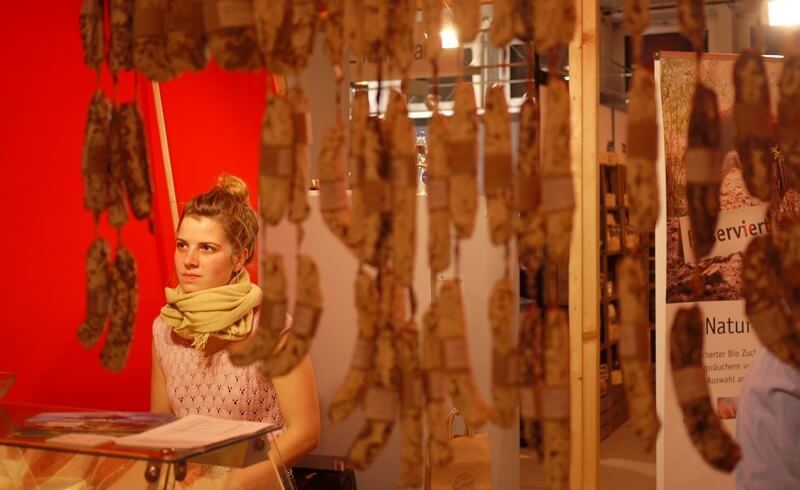 Compared to many countries, life in Switzerland may not feel like a life in the fast lane. However, like most of the modern world, many here are craving for a simple and slower lifestyle. People are feeling the demands of life, and this is leaving us feeling tired, out of touch, uninspired and questioning our approach to life in general.
Shifting Gears with Slow Food
In order to feel well, we need to eat well. It is hard to believe the sheer amount of nutrient deficient fast food and processed food eaten today. A breakfast consisting of Red Bull and a Gipfeli croissant on the train to work would have our ancestors rolling over in their graves.
In 1986, the "Slow Movement" movement grew out of the protest against the opening of a new McDonald's branch in Rome. In a world addicted to speed and efficiency, one could view slow as lazy and unproductive. On the contrary, the slow movement is an approach that encourages people to find balance and live better lives by shifting the gears down to a deliberate pace.
 There have been many books (eg. Fast Food Nation, The Omnivore’s Dilemma and one of my favorites, Animal, Vegetable, Miracle: A Year of Food Life) and films (eg. Food Inc, The Garden, King Corn) highlighting the devastating effects of commercial food production.
By focusing on quality rather than quantity, the slow lifestyle helps you to see the interconnectedness of life and incorporate daily activities that promote health and wellbeing.
Slow Food Market in Zürich
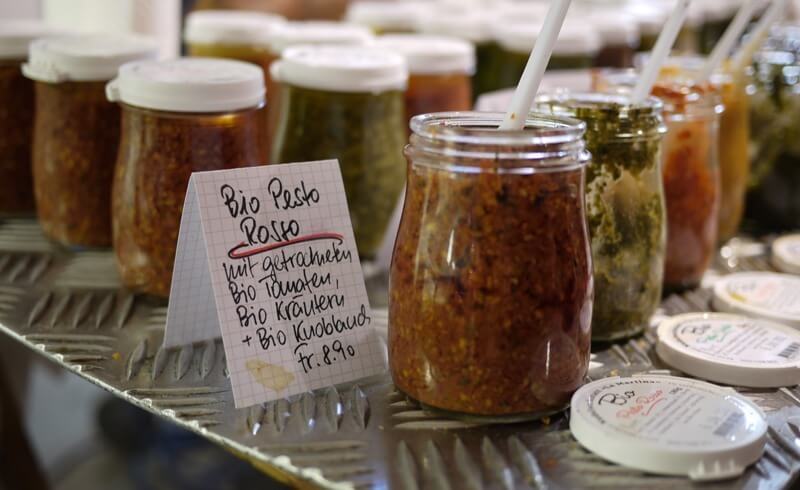
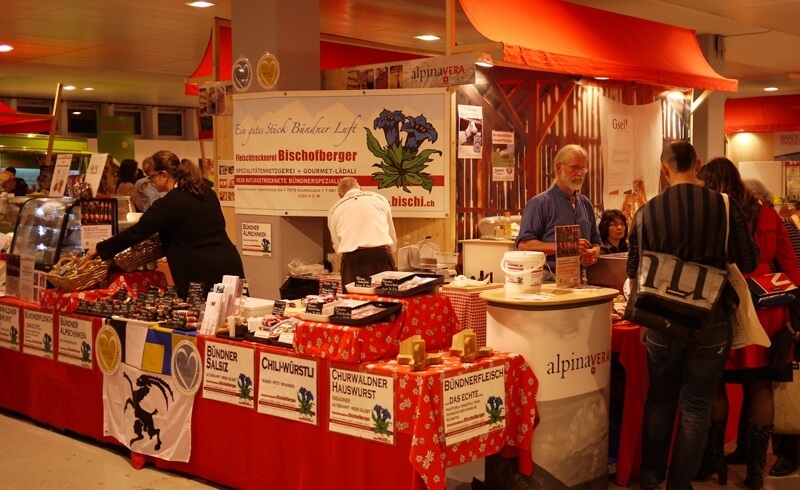
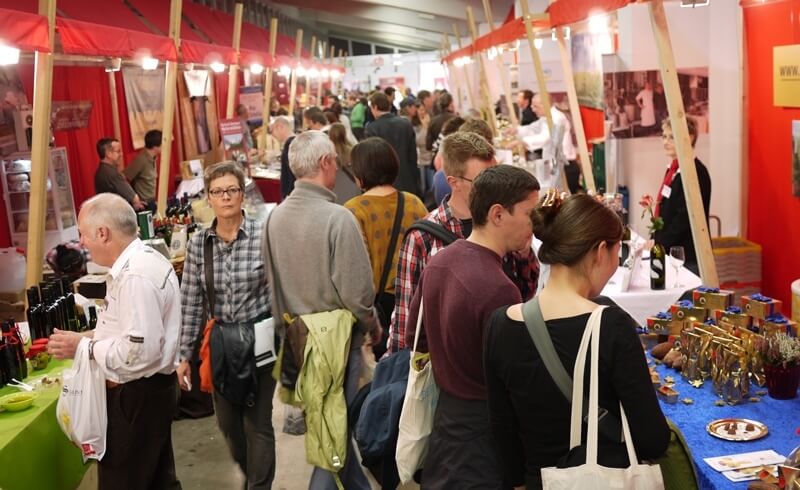
Every November, Zürich holds a Slow Food Market. For the most part, the food featured at the many stalls is locally Swiss, handmade, organic and honoring heritage traditions. This past month, I discovered a number of exciting and delicious foods that I have to share with you.
Indian Chai Made in Switzerland
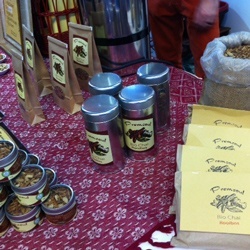 What is better on these cold days than a spicy, aromatic cup of hot Indian Chai? Prem Soul is a Zürich based company that makes two varieties of Chai tea: One with black tea and the other with Rooibos or red tea, for those wanting a non-caffeinated option.
Made using the finest organic spices and tea, the chai is easy to prepare in a saucepan with water and milk, or with a non-dairy alternative. Prem Soul has chai syrups to flavor milk, too. The website is in German, but love and life partners Brendon (Australia) and Alexandra (Switzerland) will make sure that a tasty chai is just a sip away!
The Slow Experience this Winter
If you are looking for an excursion with the family, visit the Mausacker bio farm where you can enjoy good (and slow) eating! All December, enjoy cheese fondue, organic apple juice and good conversations.
Tröpfel are a line of non-alcoholic beverages to toast the festive season, including delicious Brut, Rosé and Demi-Sec made of Swiss fruits like aronia, grape and apple.
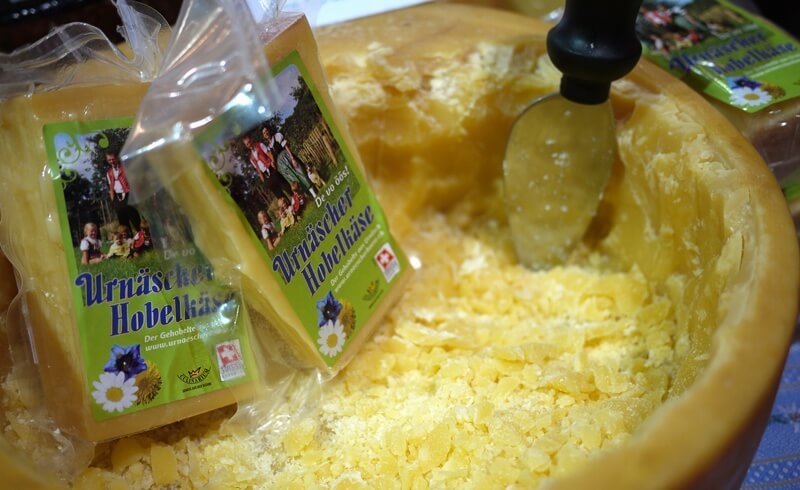 And who can live in Switzerland without loving the cheese? The tradition of Fromage de Bellelay or Tête de Moine cheese rosettes date back to the 12th century and pleases the eye and tastebuds.
I was really impressed by the variety and quality of raw food products from Naturkostbar in Steffisburg, ranging from cold-pressed oils (coconut, pumpkin, hemp), nut butters, green sprouts to raw food chocolate and desserts.
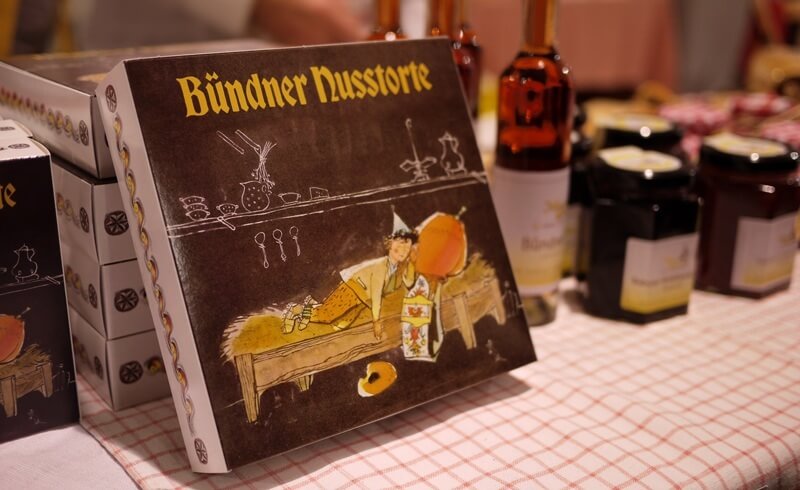 I love shopping at Im Viadukt in Zürich, where the food market has lots of local, slow food vendors like Berg und Tal. For those not based in Zürich, check out your regional offerings (farms, wineries, orchards). Finally, learn to read the labels from the ubiquitous Migros and Coop stores which actually showcase (and label) many organic, fairtrade and regional Swiss producers.
By shifting the gears to SLOW and eating seasonal, shopping local, and choosing quality over quantity, you will reduce your carbon footprint and reap the health benefits.
More Information
- Slow Food Switzerland on Facebook
- Directions to Mausacker bio farm

 Christian
 Dimitri Burkhard
 Mamiko


Add comment