

 Alessandra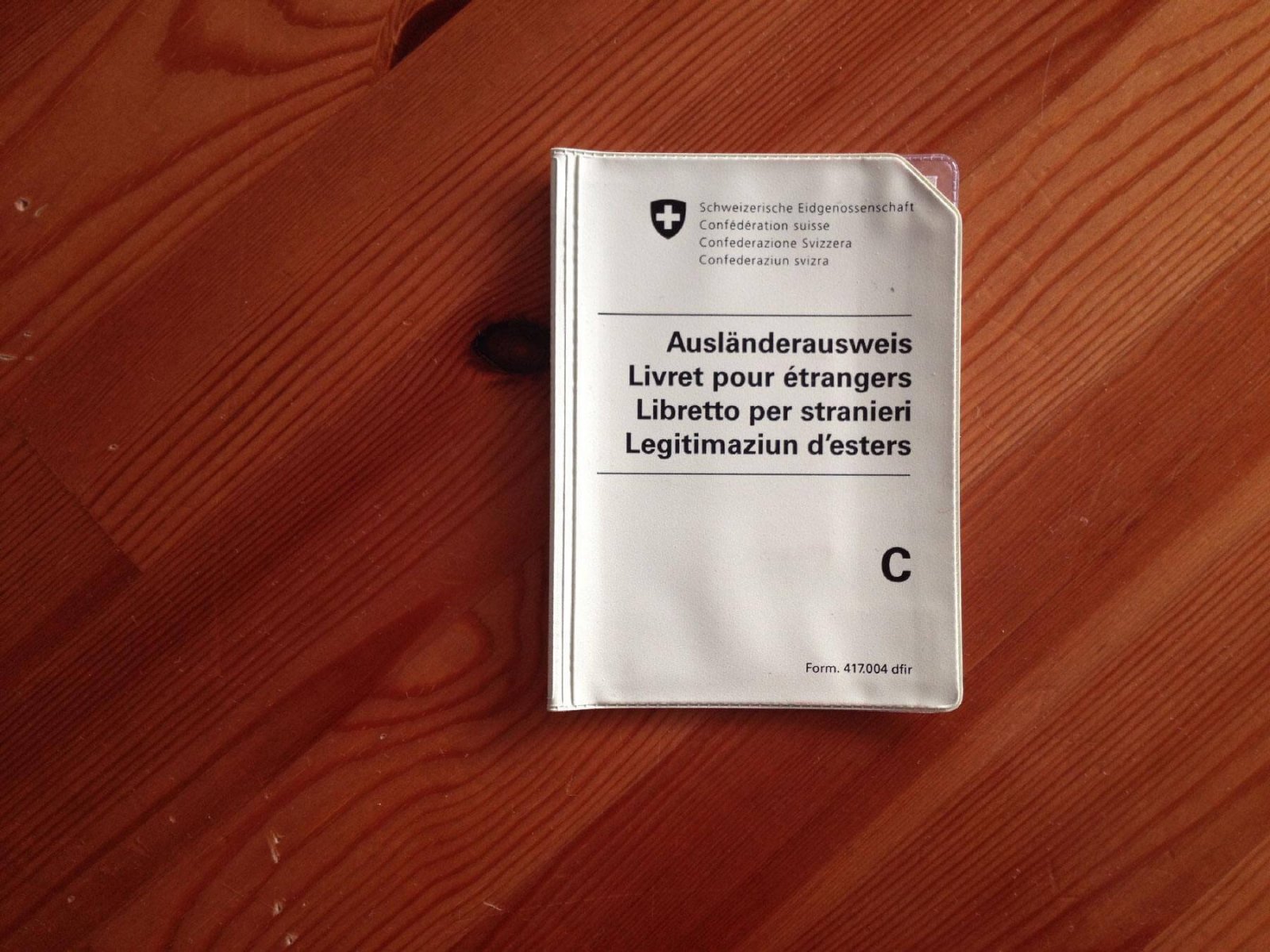
For once in my life, getting a C felt better than getting a B.
I’m talking about the much-coveted Swiss work permit C, the settlement permit that quietly marks a turning point for many expats in Switzerland. It doesn’t come with fireworks or a ceremony, but for those who receive it, it feels like crossing an invisible line. You’re no longer just “staying.” You’ve arrived.
I didn’t know it back then, but my own journey through the Swiss permit system reflects the path many foreign residents still take today.
Starting Out With a G Permit in Switzerland
When I first arrived in Switzerland in 2008, I started with a G permit, officially known as a cross-border commuter permit.
G permits are issued to people who work in Switzerland but live in a neighboring country, typically France, Italy, Germany, or Austria.
In Ticino, where I lived, this was (and still is) extremely common. Every morning, thousands of workers cross the border from Italy, endure traffic jams, and head to Swiss workplaces.
Let’s be honest, though: G permit holders are not always viewed kindly, especially in border regions. They are often blamed for wage dumping and for “taking” Swiss jobs without fully participating in Swiss economic life. Fair or not, that sentiment exists. At that stage, Switzerland was my workplace, not my home.
Moving to a B Permit: Living and Working in Switzerland
That changed when I switched to a Swiss work permit B.
The B permit is the standard residence and work permit for foreign nationals who live and work in Switzerland. For EU and EFTA citizens, it is typically valid for five years, renewable, and tied to residence rather than a specific employer.
Five years later, during a routine visit to renew my B permit, the clerk at the immigration office looked up and said something that changed everything:
“You qualify for a C permit.”
The Swiss work permit C, also called the settlement permit, is the highest permit status available to foreign nationals short of citizenship. It does not expire. And in daily life, it places you almost on equal footing with Swiss citizens.
With a C permit, you are no longer subject to annual permit renewals, job restrictions, or cantonal mobility limits.
Apart from voting rights and mandatory military service, you are treated much like a Swiss national.
My husband and daughter had already received their C permits. I won’t lie - I was jealous. Their status felt permanent, secure, and undeniably Swiss-adjacent. I wanted that stability too. This was my chance to get even!
What Is a Swiss Work Permit C? (Updated for 2026)
The Swiss work permit C is a permanent residence permit granted to foreign nationals who have lived in Switzerland long enough and demonstrated integration.
Key features of the Swiss work permit C:
- Unlimited validity (no renewal every few years)
- Free choice of employer and canton
- No labor market restrictions
- Greater protection against expulsion
- Easier access to self-employment
- Eligibility for Swiss citizenship after additional residence
For official definitions and legal references, Swiss work permits are explained in detail by the State Secretariat for Migration (SEM), Switzerland’s federal immigration authority.
In most cases, EU/EFTA citizens can apply after 5 years of continuous residence. Non-EU nationals usually qualify after 10 years, though exceptions apply for spouses of Swiss citizens or highly integrated residents.
The Swiss Permit C Is Permanent - But Not Untouchable
The Swiss work permit C is often described as permanent. And in many ways, it is.
But permanent does not mean unconditional.
Permit C holders are expected to maintain a genuine connection to Switzerland. Extended absences can trigger scrutiny, especially if a resident spends more than six consecutive months abroad without notifying authorities.
In some cases, long stays outside Switzerland can lead to a downgrade back to a permit B, even years after a C permit was granted.
This is not always enforced consistently, and some residents take the risk. But the legal basis exists, and relying on “not being noticed” is not a strategy.
The Paper Chase: From Criminal Records to Certificates
Switching from G to B was surprisingly easy. I filled out a few forms, submitted them to the local migration office, and about a month later, my new permit arrived.
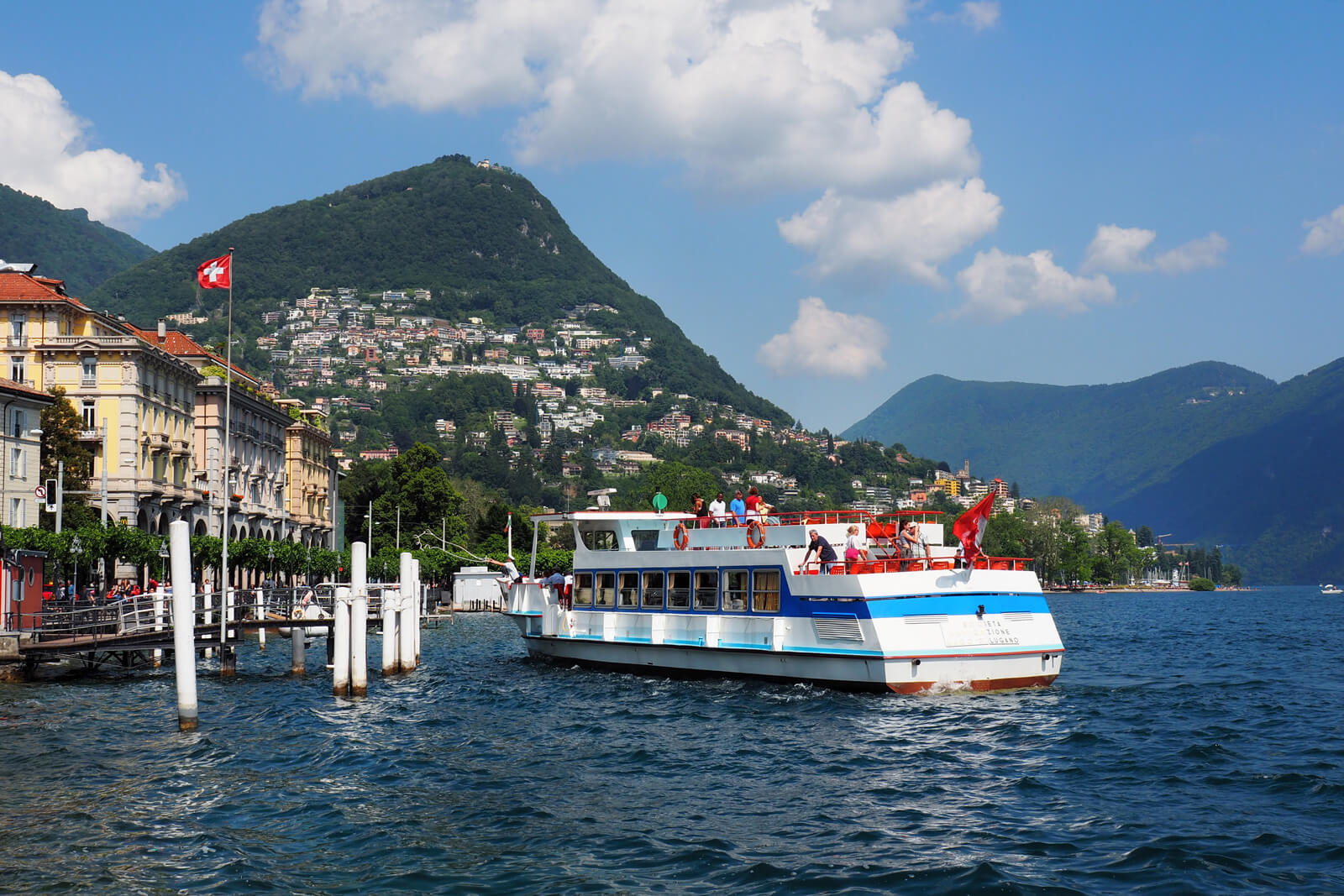
But getting from B to C work permit is (rather) long and complex, at least for an Italian girl living in Lugano.
First, I had to obtain a criminal record extract from Italy, which meant a trip to an Italian court. There, I queued for an hour so that I could get my statement from the Criminal Record Office. It was proof that I was, after all, a clean and diligent citizen.
Then came the Swiss version: I had to order a similar document from the Lugano government office, where it stated that I was just as good and clean. Here, I was able to order the record online, and I received it the next working day.
I learned an important lesson right there: Swiss bureaucracy may be demanding, but it is usually efficient.
No Selfies Allowed: The Swiss Photo Booth Experience
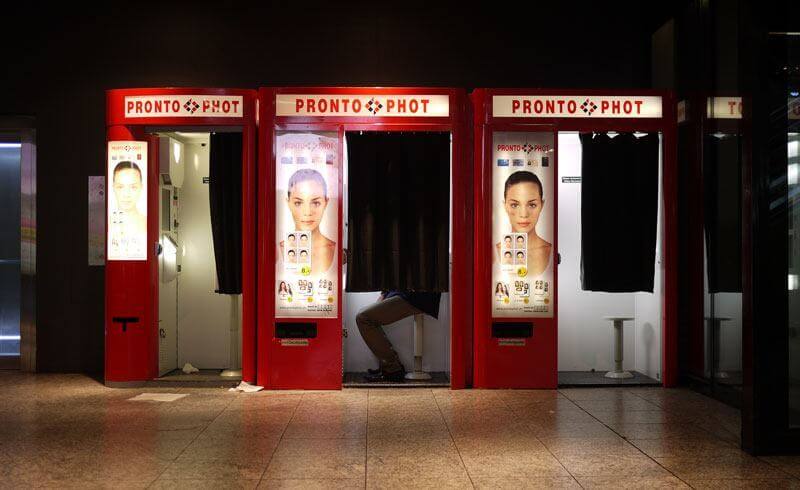
Then, it was time for the much dreaded visit to the Swiss photo booth. I hate the Swiss photo booth, and I am pretty sure it hates me...
Swiss photo booths are run by a very smart software that recognizes whether you are sitting too high or too low, and whether you're not smiling enough, or too much! They have very strict rules regarding your head's positioning, and of course, you only get to try three times.
Each time I have to get my picture taken at the booth, I put on my best shirt and necklace, I wear make up and go to the hairdresser. I feel like I am going to a first date.
Graduating to the Swiss Work Permit C
Then, of course, come the interviews. Two interviews, in fact: One with your local council officer, and one with the police.
Both of them want to know all about you, your family, your work, and one thing in particular: The money.
To qualify for a Swiss work permit C, you must prove that you can support yourself and your family without relying on social assistance. Employment history, income, and tax compliance matter a lot.
Sitting in a room at Lugano’s police headquarters made me nervous in ways I didn’t expect. I don't know why, but being escorted to a room inside Lugano's police headquarters made me feel like some sort of criminal.
When the Police officer told me something that sounded like "The more you tell me, the happier I am," I suddenly turned into the fat boy from the Goonies during the confession:
And then I waited... And waited... And after a couple of months, it was finally in my mailbox! The Swiss Work Permit C.
Now my life as an Italian expat in Switzerland is complete. See you in a few years when I'll be aiming for the Swiss passport - and then I'll look down at you rest of the world!
Integration Requirements for the Swiss Work Permit C
Since 2019, integration requirements have become more explicit and more consistently enforced.
Authorities typically assess:
- Language skills (usually A2 written / B1 spoken in the local language)
- Respect for Swiss laws and public order
- Participation in economic life
- Basic understanding of Swiss society
Language skills matter, but perfection does not. Authorities are looking for everyday communication, not textbook grammar.
This is not a Swiss citizenship interview. But it is a signal that Switzerland expects long-term residents to engage with life here.
What Comes After the Swiss Work Permit C?
For many residents, the C permit is the final goal. For others, it’s a stepping stone.
After holding a C permit for the required period, you may apply for Swiss citizenship, depending on your canton and personal circumstances.
When that time comes, the process becomes more subjective again, especially at the communal level. Interviews, integration assessments, local expectations.
Not everyone with a C permit chooses to apply for Swiss citizenship.
For some, the permit C already provides everything they need: job mobility, stability, and security. Others hesitate because of the time commitment, cost, or the subjective nature of citizenship interviews.
Understanding this distinction helps explain why permit C is often seen as both an end point and a crossroads.
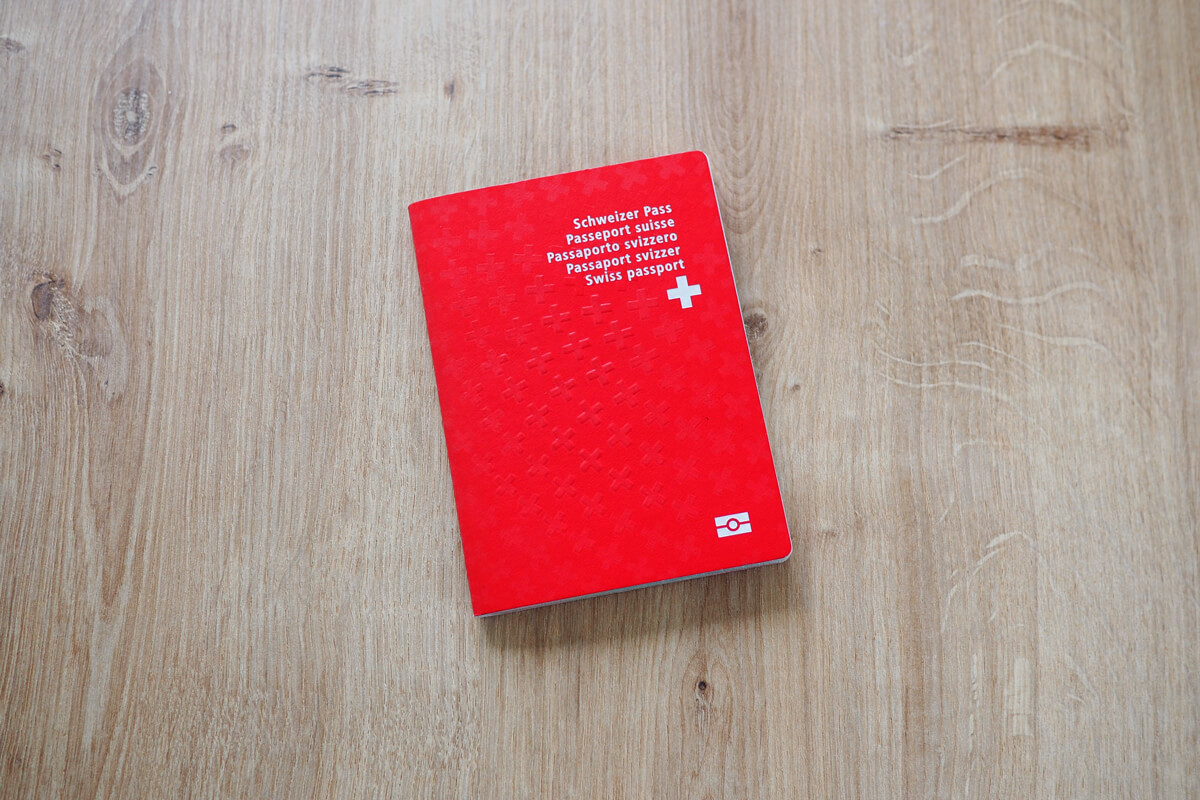
If you’re curious about what lies ahead, we’ve published a fully updated Swiss passport application guide, covering costs, documents, timelines, and new security features.
It’s worth knowing early what the end of the road looks like.
Frequently Asked Questions
Next Steps for Long-Term Swiss Residents



 Idit
Idit
 Dimitri Burkhard
 Jill Prewett