

 Dimitri Burkhard
Key Takeaway:
What started in 1884 as Karl Elsener's small cutlery workshop in Ibach became one of Switzerland's most iconic exports. By 1891, he'd delivered the first Swiss Soldier Knife to the army.
And by 1897, the officer's version, complete with corkscrew, laid the foundation for the multitool we know today. Over a century later, the Swiss Army knife remains a pocket-sized testament to Swiss precision, ingenuity, and practical thinking.
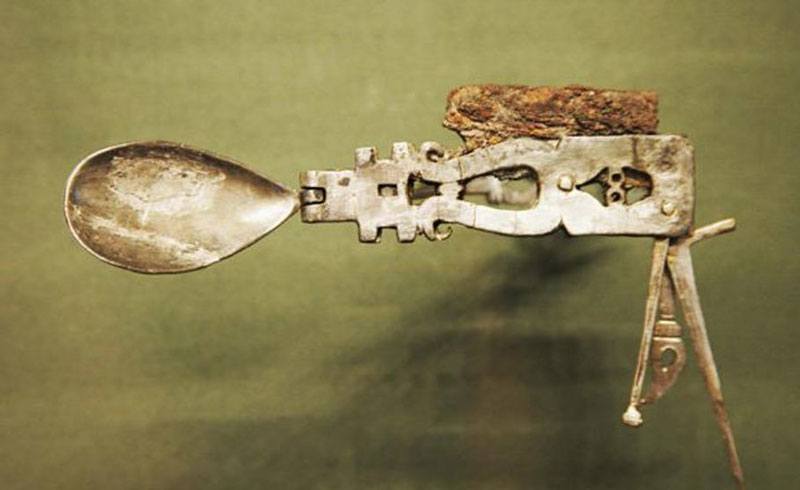
Let’s get one thing out of the way: the Romans may have invented the first multi-tool (to the dismay of some Swiss), but only Switzerland could have turned a humble pocket knife into a global design legend.
What is a Swiss Army Knife? (Definition & Origins)
At its core, a Swiss Army knife is a compact, multi-functional tool designed to tackle life’s little (and not-so-little) challenges. The classic red scales, the cross-and-shield emblem, and that satisfying “snap” as a blade locks into place.
These are the hallmarks of Swiss design at its most ingenious. But for me as a Swiss, the Sackmesser is more than just a tool. It’s almost like a lifestyle to use this companion for all kinds of situations. And I'm not the only one, either. Think astronauts, artists, and, yes, even MacGyver.
And Why Is It Considered A Swiss Icon?
The Swiss Army knife is as much a part of Swiss culture as punctual trains and cheese with holes. Whether you’re slicing Gruyère on a mountain picnic or fixing your glasses on the tram, there’s a good chance a Swiss Army knife is involved.
But how did this little red marvel become the world’s most beloved multi-tool? And what’s new for 2026? Grab your favorite SAK (Swiss Army knife, for those in the know), and let’s unfold the story: blades, bottle openers, and all.
The Complete History of the Swiss Army Knife
Ancient Origins (with a Wink)
Long before Karl Elsener set up shop in Ibach, the Romans were already tinkering with multi-tools. But theirs didn’t have a toothpick, tweezers, or that certain Swiss flair.
Instead, the Roman multi-tool combined an iron blade, a spoon, a fork, a toothpick, a little hook that would come in handy if you wanted to eat some snails (an ancient Mediterranean delicacy), and a little poker that was probably used to un-stop small bottles.
Karl Elsener and the First Swiss Officer's Knife (1891)
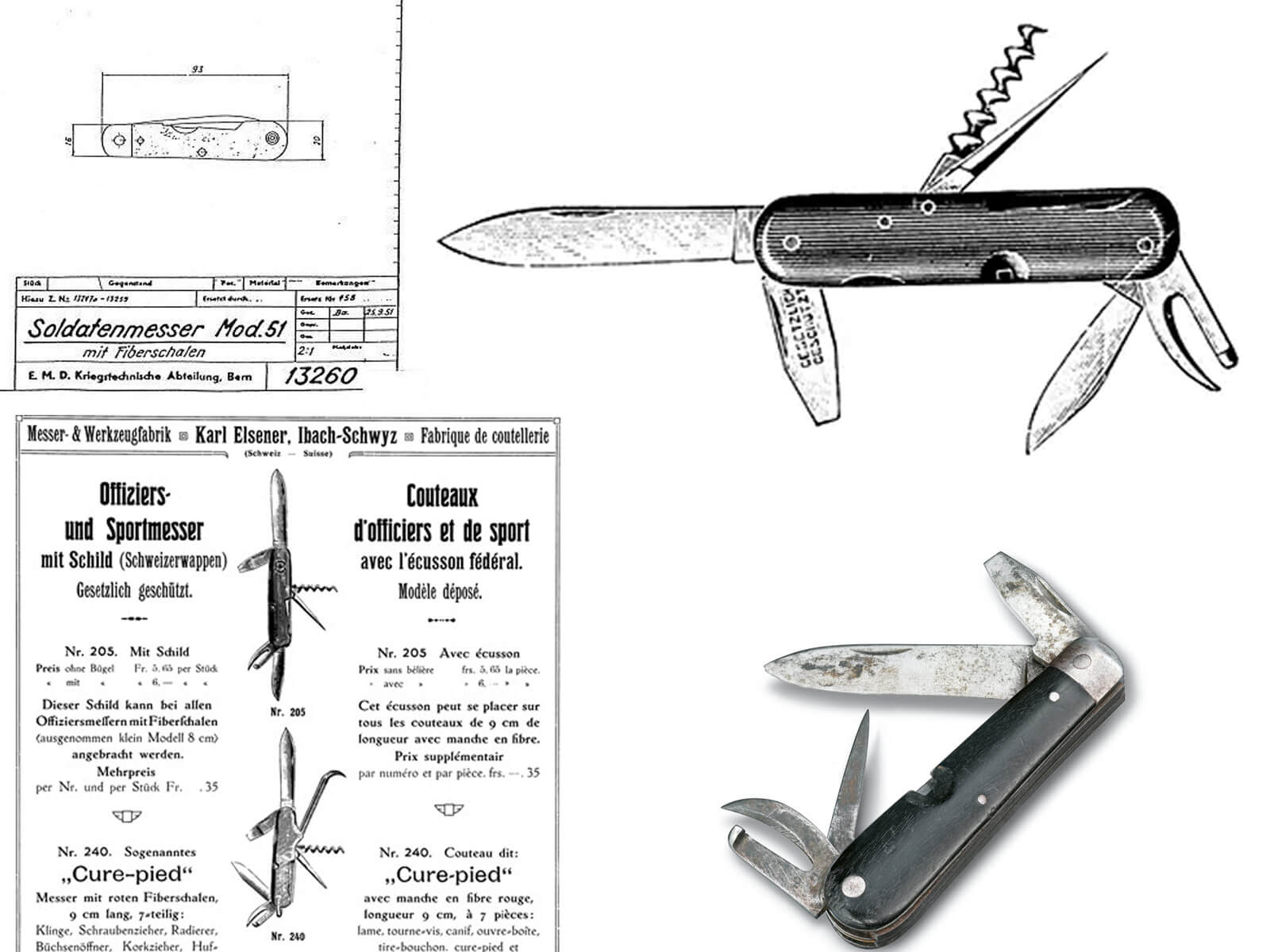
Karl Elsener, a visionary Swiss knife maker, opened a cutlery factory in Ibach in 1884. But the real story of the Swiss Army knife began in 1891, when Elsener decided Swiss soldiers deserved better than the clunky, German-made knives they’d been issued.
Striving to create employment opportunities for the locals, Elsener's pioneering spirit resulted in the invention of a soldier's knife.
His solution? The “Schweizer Offiziers- und Sportmesser”. This is the original Swiss Army knife, featuring a blade, screwdriver, can opener, and reamer, all in one pocketable package.
Elsener’s invention didn’t just make life easier for soldiers; it sparked a revolution in everyday carry. By 1897, the Officer’s and Sports Knife had arrived, and the rest, as they say, is Swiss history.
Victorinox vs Wenger: The Great Swiss Knife Rivalry
For much of the 20th century, two Swiss companies - Victorinox and Wenger - vied for the title of “the genuine Swiss Army knife.”
Victorinox, founded by Elsener, emphasized precision and tradition.
Wenger, based in Delémont, brought ergonomic innovation and a touch of playfulness.
In 2005, Victorinox acquired Wenger, uniting the two great houses of Swiss knife-making. Today, every official Swiss Army knife bears the Victorinox name, but the spirit of friendly rivalry lives on in the diversity of models and features.
Why the Iconic Red Color? The Psychology of Swiss Design
Why red, you ask? It's simple: The color red it’s easy to spot in the snow (or the bottom of your backpack).
It’s also a nod to the Swiss flag and a subtle reminder that Swiss design is as much about practicality as it is about style. Over the years, Victorinox has introduced a rainbow of colors and materials, from translucent to rugged Alox aluminum. But red remains the classic.
The Invention of the Swiss Officer's and Sports Knife
There are light years between the Roman cutlery tool and the iconic red multi-tool we now know as the Swiss Army Knife.
Today's version of the knife was designed in the late 19th century by Karl Elsener.
In 1891, Elsener manufactured the first major supply of such knives for the Swiss Army. This tool was still quite heavy, but it allowed troops to open canned food. The built-in screwdriver provided aid in disassembling a rifle. And the hole punch - well - allowed soldiers to punch holes in their belts.
Elsener continued developing the knife to create a lighter, more elegant version for officers. The Swiss Officer's and Sports Knife featured a clever fold-out mechanism with six functions - including a cork screw!
The iconic red knife was patented in 1897 and is still popular today.
The name Victorinox was inspired by Elsener's mother Victoria, and the French term for stainless steel, les inox.
And in case you were wondering: the iconic color red is no coincidence. It makes the knife stand out when lost in the snow.
The Swiss Officer's and Sports Knife featured these tools:
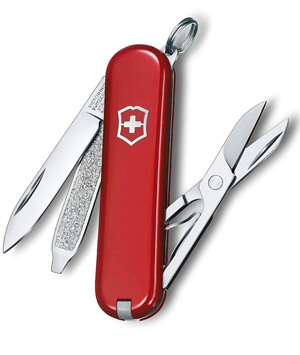
Victorinox Swiss Army Knife
- Classic SD knife with seven functions
- Durable construction with a stainless steel blade
- Available in 17 color variations
"Compact, agile, and ready to face any adventure head-on."
Swiss Army Knife Uses:
From Everyday Carry to Space Missions
Swiss Army knives have sliced cheese atop the Matterhorn, fixed gear on Everest, and even floated in zero gravity aboard the International Space Station. (NASA astronauts are fans.)
In Switzerland, it’s the ultimate “just in case” tool. I use mine to cut food during picnics, open bottles, and to do small repairs.
Fun fact: The Swiss Army knife is so beloved that it’s actually featured in the Museum of Modern Art’s permanent collection. Not too shabby for a pocket tool!
Swiss Army Knife Stories: NASA, MacGyver & Beyond
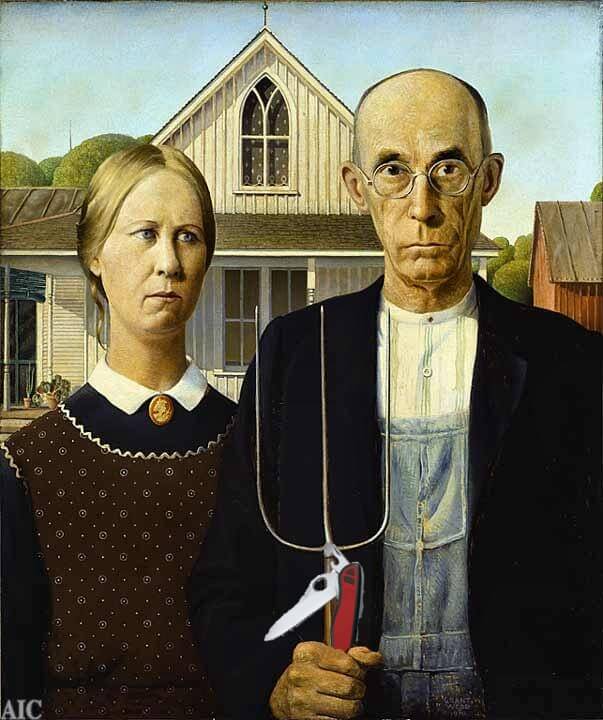
Museum curators and Victorinox marketing folks still disagree over the appearance of the Swiss Army Knife in the original "American Gothic":
In the 1950s, it was Dr. Seuss who tried to incorporate the Swiss Army Knife into his children's books:
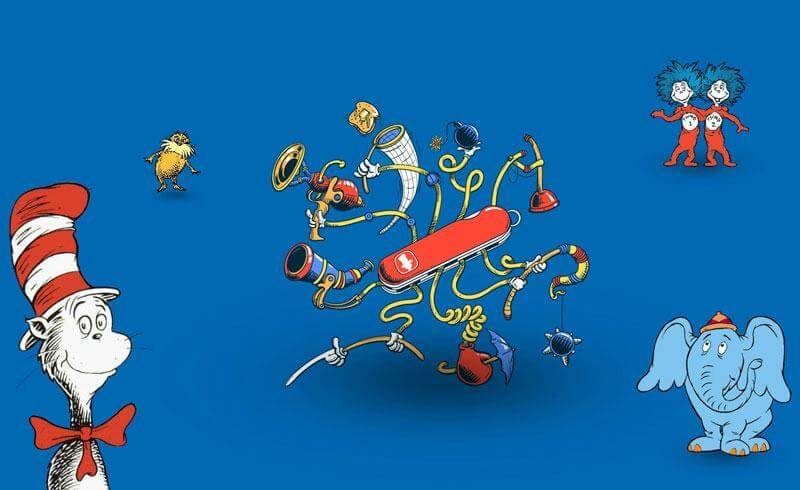
Around the same time, M.C. Escher tried to express his intrigue in the Swiss Army Knife with a mathematical work of art entitled "Swiss Army Knives." This masterpiece appears to be stacked away in a private collection, as no credible reference can be found online.

Fast forward to 1969, when the small country of Switzerland was overcome with pride. Even on black-and-white television, the Swiss spotted a glimmer of red when Buzz Aldrin set foot on the moon...

After an absence during the days of flower power, the term "Swiss Army Knife" reappeared in pop culture in 1985. This was the glorious year when MacGyver became the ultimate spokesperson for the Swiss Army Knife. He would use the knife at least once per episode!
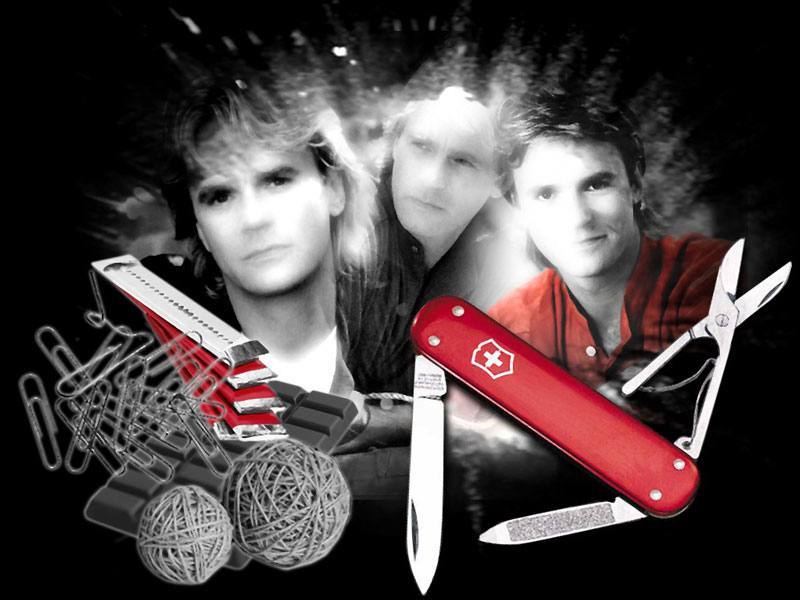
Would MacGyver still know how to use a 21st-century Swiss Army Knife with tools like laser pointers, USB storage drives, and fingerprint scanners with built-in data encryption?
Swiss Army Knife Models: 2026’s Most Popular Choices
Swiss Army knives come in more flavors than a Swiss chocolate shop. Here’s a quick tour of the 2026 lineup:
| Model | Length | Weight | Layers | Tools | Key Features | MSRP |
|---|---|---|---|---|---|---|
| Classic SD | 58 mm | 21 g | 1 | 7 | Keychain size, scissors, nail file, tweezers | $24 |
| Spartan | 91 mm | 59 g | 2 | 12 | Blades, corkscrew, openers, tweezers | $32 |
| Tinker | 91 mm | 62 g | 3 | 12 | Phillips screwdriver, blades, openers | $40 |
| Huntsman | 91 mm | 97 g | 4 | 15 | Scissors, wood saw, multipurpose hook | $45–55 |
| SwissChamp | 91 mm | 185 g | 8 | 33 | Pliers, magnifier, fish scaler, pen, chisel | $105 |
- Alox Limited Edition (Glacial Blue): The twelfth annual Alox series features the Classic SD, Pioneer X, and Evoke in a cool, Alpine-inspired blue. Collectors, take note!
- Huntsman “Year of the Horse”: A limited edition for 2026 celebrating energy and ambition, with a unique horse motif.
- Versa58 Modular System: Snap-on modules for 58mm SAKs. Think LED lights, USB-C drives, and even Bluetooth locators. (The Swiss Army knife just got smarter.)
How to Choose the Best Swiss Army Knife
(2026 Buying Guide)
Feeling overwhelmed by options? Here’s how to find your perfect match:
- For Minimalists: The Classic SD is unbeatable for keychain carry.
- For Everyday Carry: The Spartan and Tinker offer robust toolsets without bulk.
- For Outdoor Adventurers: The Huntsman’s scissors and wood saw are indispensable.
- For Tinkerers: The SwissChamp is a portable toolbox (and a conversation starter).
- For Collectors: Limited editions like the Alox Glacial Blue or Year of the Horse Huntsman are must-haves.
Consider:
- What tools do you actually use?
- How much weight are you willing to carry?
- Do you want classic Cellidor, rugged Alox, or a special finish?
- Is customization (engraving, color) important to you?



 Olivia


[…] to the humorous history lesson about the Swiss Army Knife, there is an equally interesting story about the Wenger and Victorinox […]
[…] for the Swiss Army used to be produced in Germany until the late 19th century? That is, after the original Roman multi-tool from 200 AD had been […]