
 Dimitri Burkhard
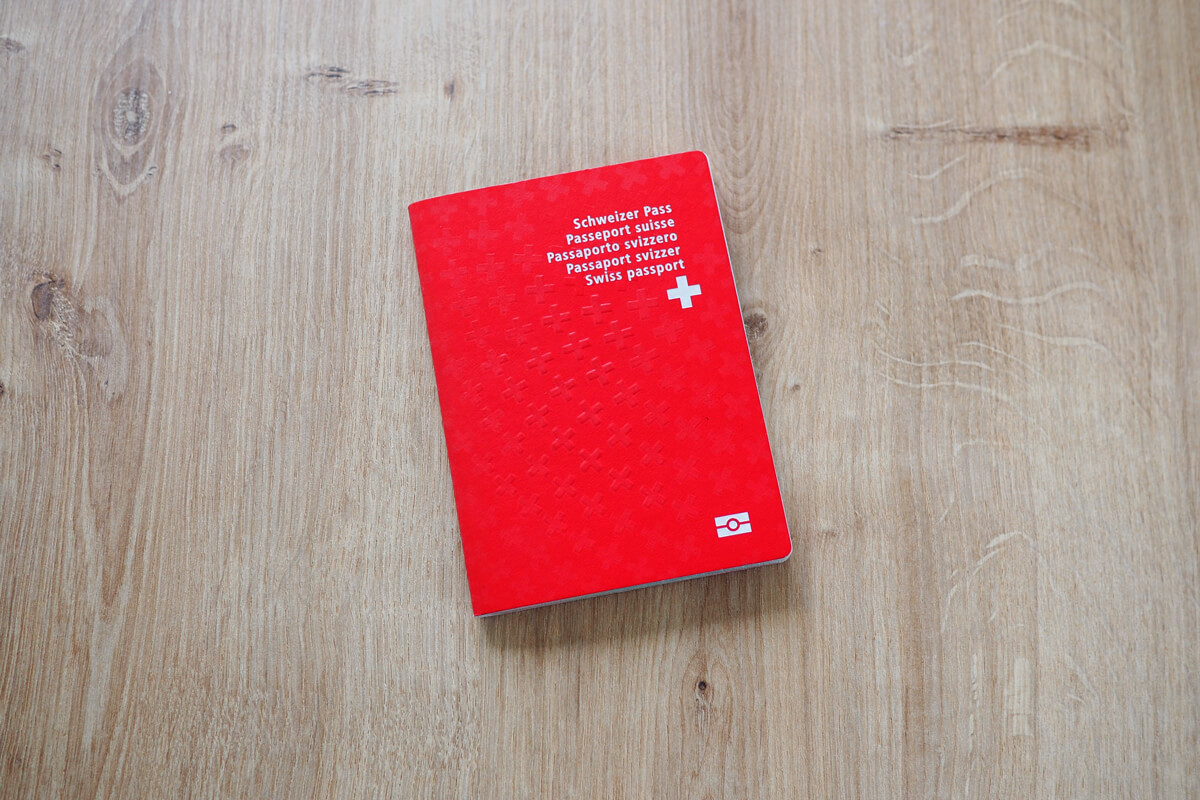
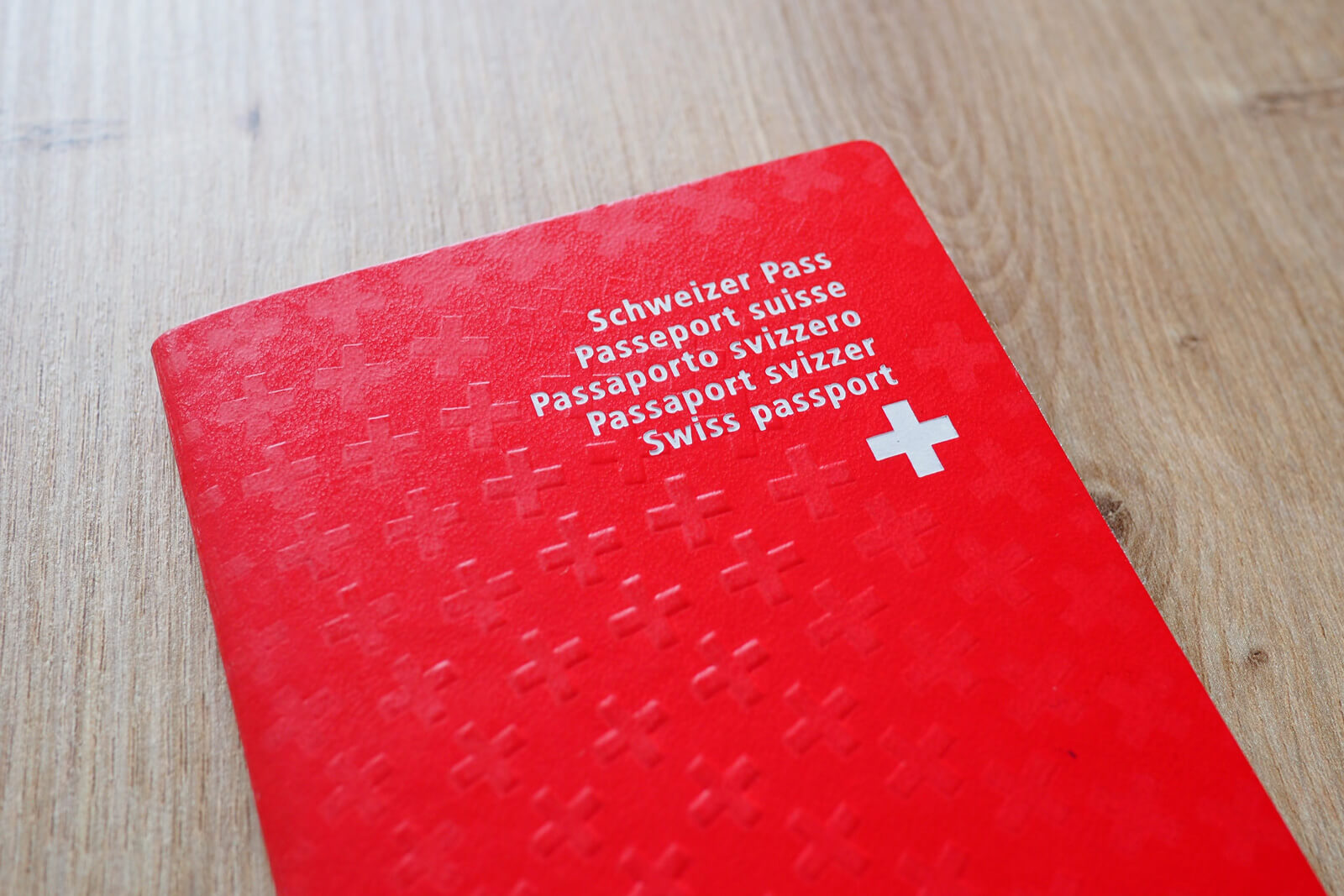
Before diving into the details, consider this light‑hearted observation: the iconic red Swiss passport with the little white cross is both a passport document and, as an insider joke, a big PLUS.
This application guide shares practical tips and insights so that navigating Swiss bureaucracy doesn’t feel like climbing the Matterhorn.
How to Get a Swiss Passport (Quick Overview)
- Meet residency requirement
- Pass language requirement
- Demonstrate integration
- Submit naturalization application
- Attend interview and wait for approval
Key Takeaways
At a glance, here are the most important facts about getting a Swiss passport in 2026:
The Swiss passport is hard to obtain not because of prestige, but because a bottom-up, three-level process.
Eligibility: Swiss citizens by descent can apply at any time. Naturalized citizens must live in Switzerland for at least ten years and meet language and integration requirements.
Application process: Apply online or at a cantonal Passbüro, pay the fees, attend a biometric appointment and receive your passport in about ten working days inside Switzerland or thirty days abroad.
Documents needed: You will need a valid identity card or residence permit, a birth certificate showing your parentage, proof of citizenship or naturalization, a marriage certificate if applicable, and biometric data (photo and fingerprints).
Cost and validity: A passport costs CHF 140 for adults and CHF 60 for minors. Combined passport and ID offers are available. Passports are valid for ten years for adults and five years for minors.
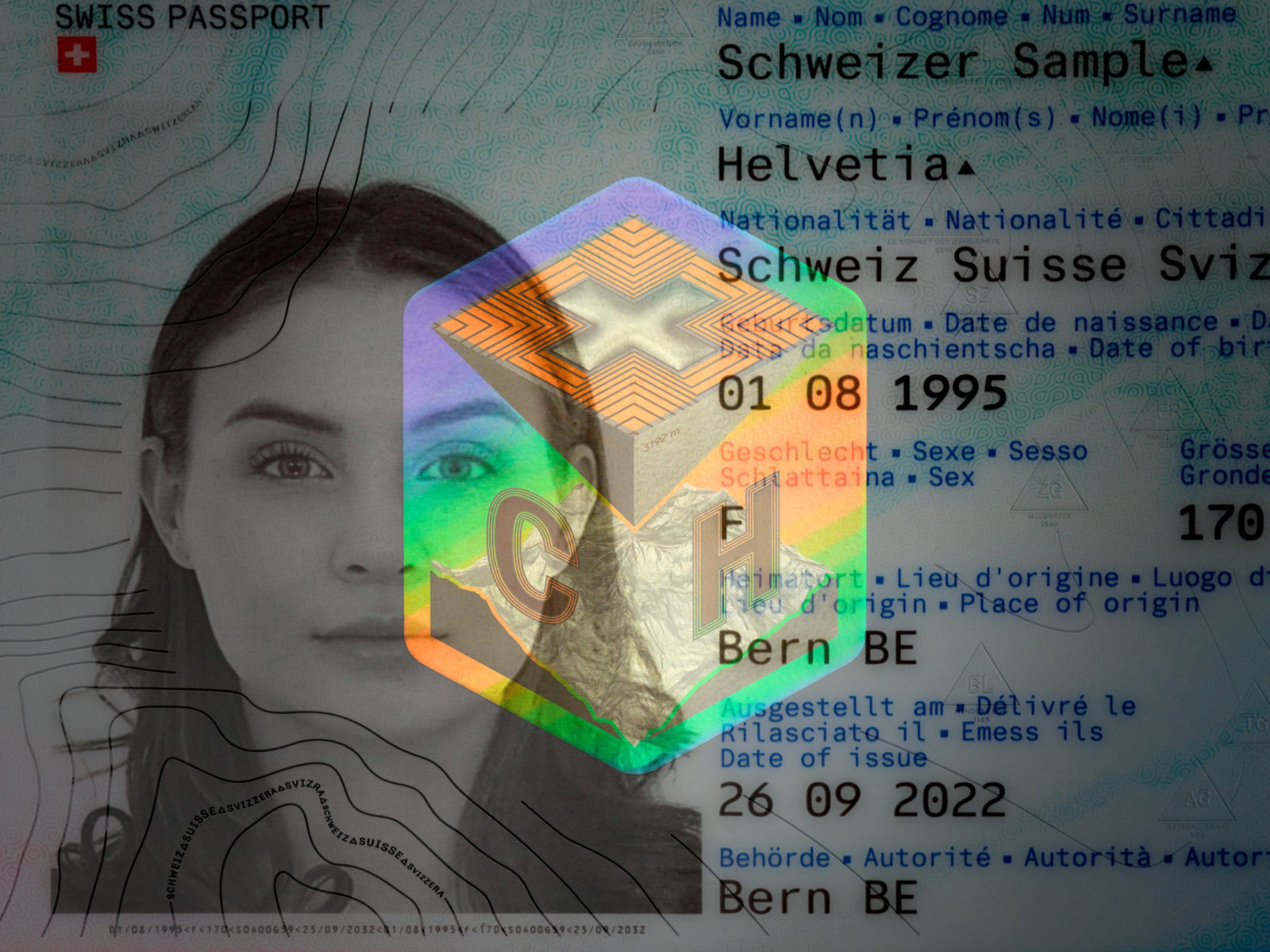
New features: The latest passport includes a secure biometric chip, digital signature and watermarked pages that make forgery extremely difficult.
Why the Swiss Passport Is One of the Hardest to Obtain
The Swiss passport is often called the “little red book,” and it has a reputation for being one of the most difficult passports in the world to obtain.
That reputation isn’t based on symbolism or prestige. It’s based on procedure.
Since the revision of Swiss citizenship law in 2018, requirements have become stricter at both the federal and cantonal levels. Some cantons, such as Aargau, raised the bar even further through local implementation.
Naturalization in Switzerland is a bottom-up process. Applicants must be approved at three levels: municipal, cantonal, and federal. Each level issues its own decision and its own invoice.
In total, the process typically costs around CHF 2,000, though this varies by location. Processing times range from one year in the best-case scenario to two or three years in many municipalities.
Eligibility to Apply for a Swiss Passport (2026 Guide)
Becoming eligible for a Swiss passport depends on how you obtained your citizenship. If you were born to a Swiss parent, you already hold the right of blood (jus sanguinis) and can apply for your passport without any residency requirement.
Naturalized citizens, on the other hand, must meet a number of prerequisites:
- 10 years of residence in Switzerland (of which three must be in the last five years)
- Permanent residence permit (C permit)
- Language proficiency at B1 oral and A2 written levels
- Proof of integration into Swiss society
Marriage to a Swiss citizen shortens the residency requirement to five years, but you still need to show integration and language ability.
Specifically, you need to demonstrate adequate language skills in one of the four official Swiss languages, respect Swiss laws, and take part in community life.
Demonstrating proof of integration goes beyong ticking a box. Some Swiss authorities pay close attention to the activities and motivation of applicants: Did they enrol in language classes? Are they a part of a local hobby club? Do they know the name of the local pub?
Some readers who've gone through the process have told us that the language test can feel nerve‑wracking. But steady practice and conversations with neighbors and coworkers helped them get better.
If you are still working on your residency status, our article on how to get your Swiss C Permit provides step‑by‑step advice and personal anecdotes. Those curious about the naturalization interview can read my editorial about a questionable Swiss citizenship interview. It goes to show how the questions can sometimes feel arbitrary...
For minors, the requirements are simpler. Children of Swiss citizens acquire citizenship automatically and can receive a passport upon request.
Adopted children are also eligible once the adoption is legally recognized. For naturalized minors, the same residence and integration criteria apply but with an emphasis on school attendance and community participation.
Please note that this is a guide that brings together years of knowledge from researching Switzerland. But it is no binding script. So, if you feel unsure about your status, definitely contact your local commune or cantonal migration office.
Preparation: Documents and Biometric Requirements
Once you meet the eligibility criteria, gather the necessary documents before starting your application.
You will need a valid identity card or residence permit, a birth certificate showing your parentage, and proof of Swiss citizenship or naturalization.
If you are married, include a marriage certificate; divorced applicants may need to supply divorce papers.
For naturalized citizens, bring your naturalization decree or citizenship certificate. When applying for children, you must present the parents’ passports and proof of legal guardianship.
Modern Swiss passports contain a biometric chip. At the Passbüro or embassy appointment, officials will take your digital photograph and scan two fingerprints. These biometrics are stored securely on the chip and are used to verify your identity at border control.
The passport also contains a digital signature unique to each document, making forgery practically impossible. To ensure a smooth appointment, wear dark clothing for your photo and avoid glasses or headwear unless required for religious reasons. If you are renewing your passport, bring the old one so the authorities can cancel it on the spot.
At the Passbüro Zürich, appointments typically take around 20 minutes. Staff check documents, capture biometrics and provide an opportunity to review the digital data before finalising. Arriving prepared makes the process surprisingly efficient.
To visualize the new security features, check our feature Passport forgery? Not with the new Swiss passport! It explains how watermarked paper, laser‑engraved photos and encrypted chips protect your identity.
Applying from within Switzerland
Applying for your passport in Switzerland is straightforward once you know the steps:
- Create an account on the Swiss government’s online portal, Schweizerpass, or call your cantonal Passbüro. Register using your personal data and select your canton.
- Select the service (“passport only”, “ID card only” or “passport + ID card”) and fill in the online questionnaire. Pay the applicable fee via credit card or e-banking.
- Book an appointment at your local passport office. Choose a time and date within a few weeks. Bring all required documents and your payment confirmation.
- Attend the appointment. Officials will verify your documents, capture your biometric photo and fingerprints, and let you sign electronically.
- Receive your passport. It arrives by registered mail in about 10 working days. You must sign the receipt and present your old passport for cancellation.
If you have mobility issues or live in a remote area, some cantons offer mobile biometric stations that come to your home or municipality.
The combined passport + ID card offer is convenient if both documents are about to expire, and the fees are slightly lower than purchasing them separately. Choosing the combo allows you to receive both documents at once and save some francs along the way.
Applying from Abroad: Swiss Embassies and Consulates
Swiss citizens living abroad can apply for a passport at their nearest Swiss embassy or consulate. The procedure is similar to the domestic process but with a few important differences:
- Register with your local representation. If you move abroad, you must register with the Swiss embassy or consulate in your country of residence. This registration allows you to apply for documents and vote in federal elections.
- Complete the online application using the same portal, or contact the embassy directly by phone or email. Embassies often require advance payment via bank transfer.
- Submit documents by mail or in person. Some embassies ask you to send copies of your documents beforehand. Others schedule an appointment for biometric data capture.
- Attend the biometric appointment. Similar to Switzerland, your photo and fingerprints will be taken. Children under twelve may be exempt from fingerprinting.
- Wait longer for delivery. Processing abroad takes up to 30 days because documents are produced in Switzerland and mailed via diplomatic channels.
Swiss citizens living abroad report that consulate staff emphasise the importance of registering your current address and that the process can take several weeks. For those living outside Switzerland, our article on how to get a Swiss residence permit for non‑EU citizens offers additional insight into navigating Swiss bureaucracy from afar. And here's the web's most comprehensive overview of upgrading a Swiss residence permit B to C.
Fees, Validity and Combined Offers
Understanding the costs and validity periods helps you budget and plan renewals. The following table summarizes the official fees:
| Document | Adults | Minors | Validity | Notes |
|---|---|---|---|---|
| Passport (Pass) | CHF 140 | CHF 60 | 10 years (adults) / 5 years (minors) | Standard biometric passport. |
| ID Card (Identitätskarte) | CHF 70 | CHF 35 | 10 years (adults) / 5 years (minors) | No biometric chip; cannot be used to travel outside Europe. |
| Combined Offer (Pass + ID) | CHF 148 | CHF 68 | 10 years (adults) / 5 years (minors) | Slightly cheaper than purchasing separately. |
The above prices do not include postage. Within Switzerland, expect to pay an additional CHF 5 to 10 for registered mail. When applying abroad, consulates charge extra for shipping and currency conversion. Payment is usually accepted via credit card or invoice.
Remember that the passport and ID remain valid until their expiry dates, even if you move abroad or change your name.
If you are concerned about cost, note that minors can receive an ID card for less than half the adult price. Ordering a combined pass and ID for a child can save a few francs and ensures both documents expire simultaneously.
For an interesting look at how Swiss money is designed and printed, see Money, Money, Money – Everything about the Swiss bank notes; it also highlights the role of Orell Füssli in security printing.
Strength and Ranking of the Swiss Passport (2026 Update)
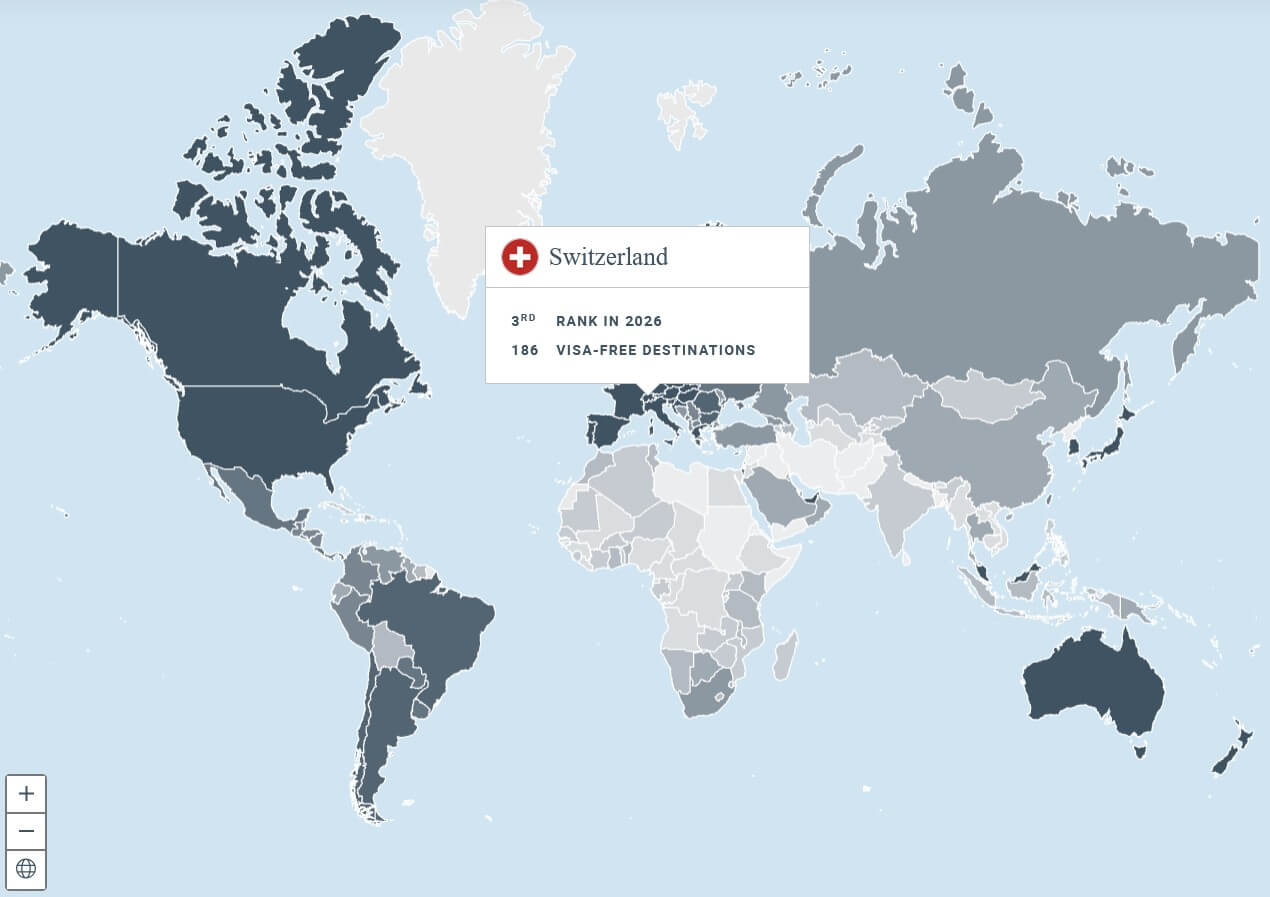
The Swiss passport opens doors around the world. According to the renowned Henley Passport Index, Swiss citizens enjoy visa‑free access to around 186 countries and visa‑on‑arrival access to roughly 40 more.
Switzerland consistently ranks among the top ten passports globally, often just below countries like Germany, Japan and Singapore. In 2026, the Swiss passport is ranked third globally.
Fun fact: The “mobility score” reflects the ease of travel and the trust other nations place in Swiss documents.
Owning a Swiss passport also means shorter lines at airports that participate in automated border control. At major airports with automated eGate systems, Swiss passport holders can often pass through border control more quickly.
They can also benefit from simplified visa applications for countries such as the United States, Canada and Australia. Dual citizenship is allowed in Switzerland, so naturalized citizens can retain their original nationality unless their home country prohibits it.
If you are curious about how other passports are ranked, I can highly recommend playing around the Henley Passport Index website. While rankings change annually, Switzerland’s position seems to remain high. That's likely because of political stability and a rather strong economy. What do you think?
New Design and Security Features of the Swiss Passport
The Swiss passport introduced in late 2022 combines Swiss design with cutting‑edge security. Every page tells a story about the country’s landscapes, while high‑tech measures protect against forgery.
As the official printer, Orell Füssli has incorporated microtext, UV‑reactive inks and transparent windows. The biometric chip embedded in the hinge stores your photo, fingerprints and signature. Only authorised border guards can read this data, and it is encrypted to prevent tampering.
The passport’s pages are printed on watermarked paper that resists tearing and moisture. Laser‑engraved photographs and tactile relief printing further complicate counterfeiting. A unique digital signature is included in each document to verify authenticity electronically.
These features are explained in depth in our feature Passport forgery? Not with the new Swiss passport!, which also showcases high‑resolution images of the new design:
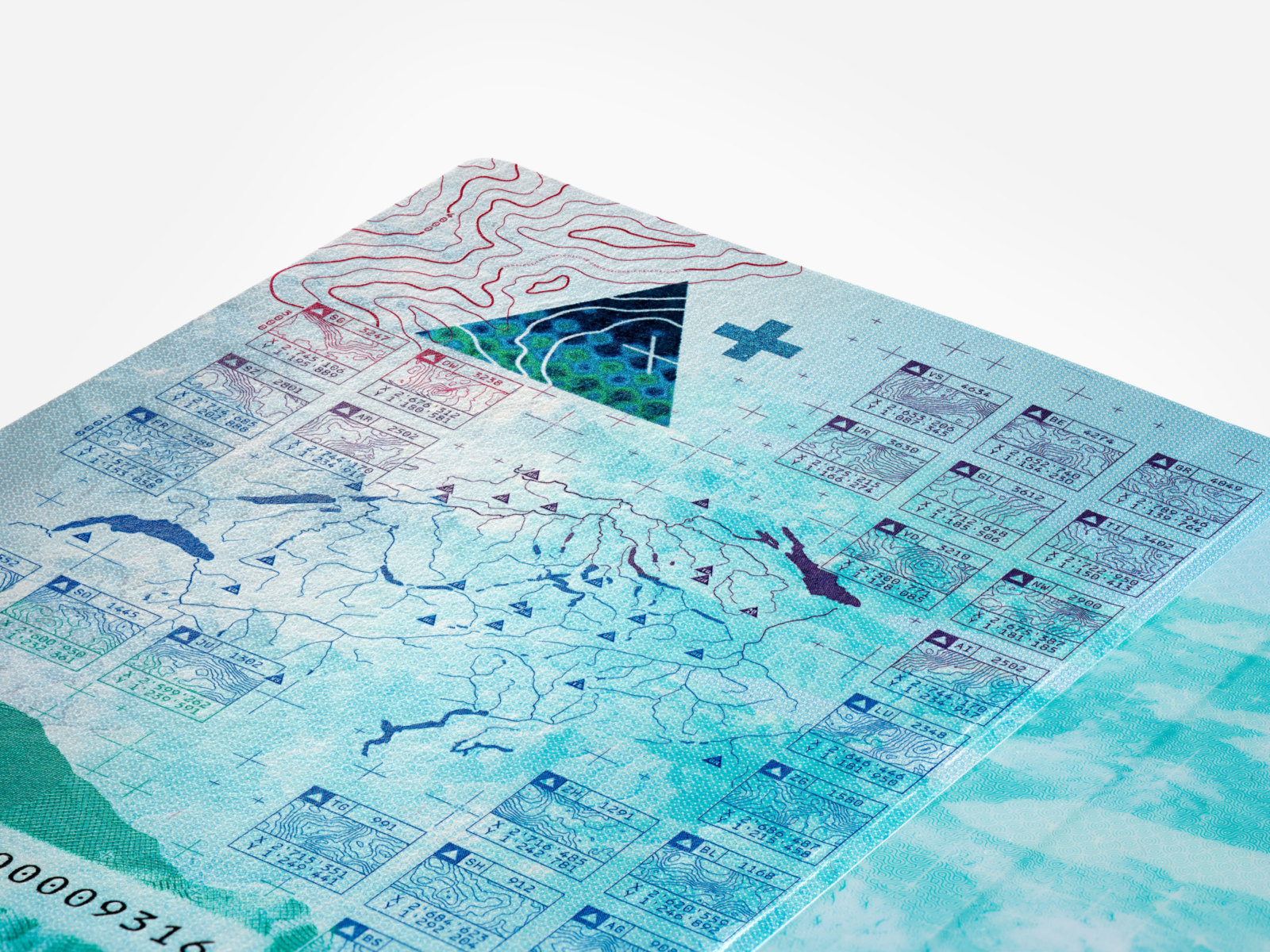
The new passport is all about Swiss design principles such as simplicity, precision and functionality. Each page shows a different Swiss landscape, from alpine peaks to city skylines, drawn in a minimalist style.
If you look closely, you will find subtle references to national legends and folk art hidden in the microprint. And if you appreciate design, you might enjoy our guide on Swiss design which explores how these principles influence everything from typography to travel documents.
Renewals, Lost Passports and Useful Addresses
Passports should be renewed six months before expiry to avoid travel disruptions. Trust me, we've heard from plenty of readers who forgot to renew their passports and asked for advice on expediting their applications.
To make matters simple, the renewal process is identical to a first‑time application. You need to complete the online form, pay the fee, book a biometrics appointment and submit your old passport. That's it!
If your passport is lost or stolen, report it immediately to the police and contact your cantonal passport office or nearest Swiss embassy. You will be issued a replacement passport once the loss is verified. But the police report is key, or else it will delay everything.
To get you moving across borders, there may be emergency travel documents (Provisorischer Pass or Notpass). But these temporary passports are usually only issued for very urgent journeys.
The Passbüro Zürich is located at Werdstrasse 75, 8004 Zürich. Here's the official list of cantonal passport offices, including addresses and websites.
Did you know that the canton of Zurich grants more citizenships than any other canton, accounting for roughly a quarter of all naturalizations nationwide?
This is partly due to population size, but also to policy choices. Zurich has resisted tightening requirements further and continues to emphasize integration over exclusion. In 2022, voters in the canton reaffirmed this approach in a public vote related to naturalization practices.
For Swiss citizens abroad, the Federal Department of Foreign Affairs (FDFA) maintains a list of embassies and consulates on its website. You can find the list on the official FDFA website.
Important advice: Always keep digital copies of your passport and important documents in a secure location; they are invaluable when applying for a replacement.
If you recently became a Swiss citizen, remember that old passports from your previous nationality remain valid until expiry unless you renounce that citizenship. Renewing early does not shorten the validity of your current passport. You simply receive a new document with a fresh expiry date.
On a practical note: Schedule your appointment outside school holidays when Passbüros are less busy. Some of our readers report that appointments outside peak seasons take only fifteen minutes, whereas those who go during busy holiday periods may wait over an hour.


 Christian

 Eva
Eva